OUR CUSTOMERS

personal NOISE MONITORING
Wearable Noise Exposure Monitoring
Track each worker’s daily noise exposure with a simple wrist-worn device. Alert workers when exposure thresholds are reached and give managers clear records to support action.
Protect your workers’ hearing, reduce NIHL claims, and stay compliant with noise regulations – from just £1 per worker per day.











WORKPLACE NOISE MONITORING
See how noise exposure builds across the working day
Workers move between tasks, tools and environments. spacebands moves with them, monitoring personal noise exposure throughout their shift.
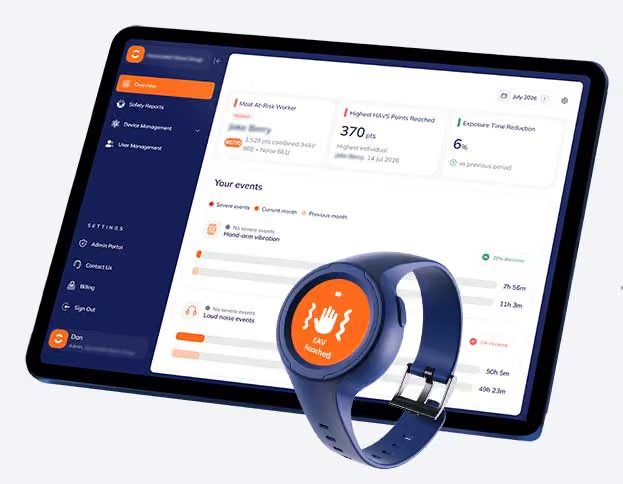
See individual and team exposure in your dashboard after devices upload during charging. Identify workers who need attention, review trends and record the actions taken to manage exposure.
SMALL WEARABLE. CLEAR INSIGHTS.
Personal noise monitoring for your whole team
Give workers a wearable that tracks daily noise exposure and alerts them when exposure action or limit thresholds are reached.
Give managers the information to follow up:
- Review daily exposure by worker and team.
- Identify who has reached exposure thresholds.
- Track exposure trends over time.
- Record management actions alongside exposure data.
- Export reports to support reviews and audits.

Learn more
See how spacebands work

CUSTOMER FEEDBACK
Testimonials
spacebands are helping Health & Safety managers around the world reduce accidents, injuries and legal claims

Susan G
Senior H&S Manager
Before spacebands, we relied on occasional noise surveys and a lot of guesswork. Now we see exactly when and where noise levels spike, and workers get an instant alert when they go over the EAV. It’s transformed how we manage hearing protection and given us evidence we can show insurers and regulators if we need to.

Clive H
SHEQ Director
Noise was always on our risk assessments, but we struggled to prove ongoing control. With spacebands, we can demonstrate that we monitor exposure in real time and act when thresholds are exceeded. It’s massively reduced the stress around inspections and potential NIHL claims.

Nicholas P
Operations Manager
We didn’t realise how noisy some tasks on the loading bay really were until we saw the data from spacebands. We’ve since changed workflows, introduced targeted hearing protection, and seen a steady decrease in exposure levels over time.

Connor B
Occupational Health Lead
spacebands has given us visibility we’ve never had before. Instead of blanket assumptions, we now know which roles and locations are genuinely at risk from excessive noise. That’s helped us focus our controls, justify investment in engineering solutions, and reassure our workforce that we’re taking NIHL seriously.
Your noise monitoring questions answered
Frequently Asked Questions
spacebands are helping Health & Safety managers around the world reduce accidents, injuries and legal claims
How does wearable noise monitoring work?
Each worker wears a spacebands device on their wrist. It monitors noise exposure throughout the working day and alerts them when exposure thresholds are reached. Recorded data uploads during charging for managers to review.
When can managers see the exposure data?
Data uploads when wearables are placed on charge. Managers can then review recorded exposure and threshold exceedances in the dashboard. Workers receive alerts directly on their wearable during use.
Can the same wearable monitor HAVS?
Yes. spacebands monitors both hand-arm vibration and noise exposure, with worker and team data available in one dashboard.
Does spacebands track daily noise exposure?
Yes. spacebands tracks accumulated daily noise exposure, giving managers a view of exposure across the shift. Review individual workers, compare teams and follow trends in the dashboard.
Can I download noise exposure reports?
Yes. You can export exposure data and reports to support internal reviews, share findings and maintain records of your noise management activity.
How much does workplace noise monitoring cost?
spacebands starts from £1 per worker per day. Request a quote based on your team size and contract length, including the charging stations your team needs.


