







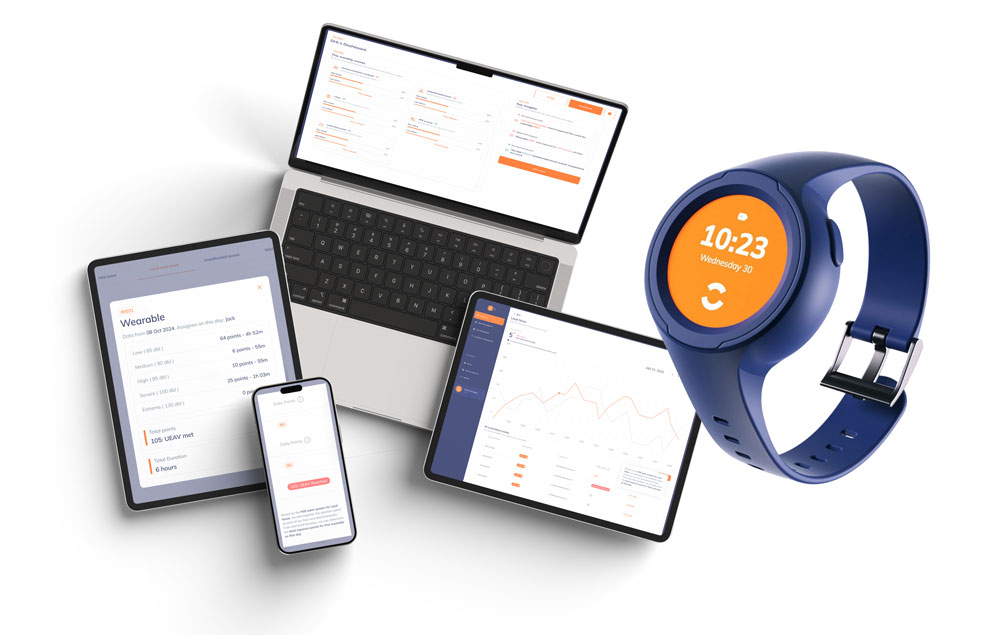
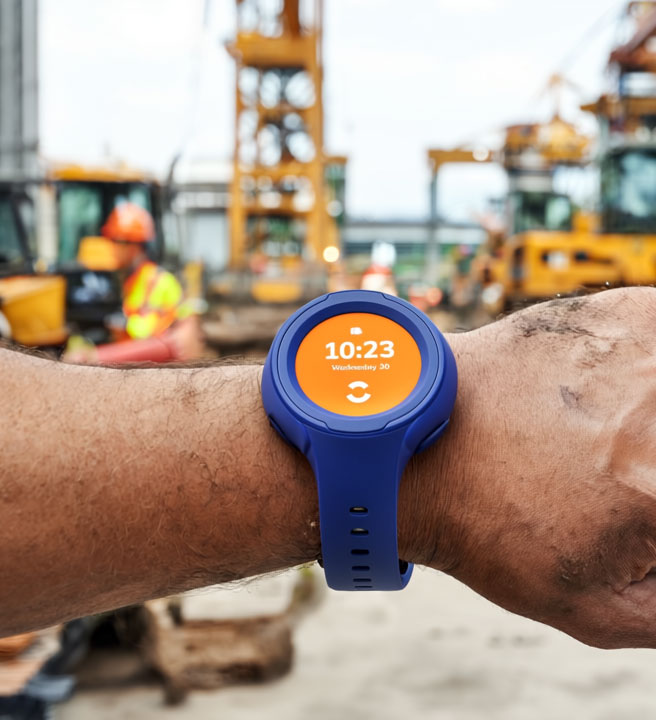
spacebands is a multi-sensor wearable that monitors external, environmental hazards, anticipates potential accidents, and gives real-time data on stress in hazardous environments.
Members of:





Recognition:







If you are researching HAVS monitoring solutions, you are not alone. More organisations than ever are investing in personal exposure monitoring as HSE inspections increase and long-term health risks like Hand-Arm Vibration Syndrome face growing scrutiny.
In addition to spacebands, Reactec is one of the most recognised names in this space. It is also common for safety leaders to explore alternatives during the evaluation process, whether due to operational fit, deployment models, reporting preferences, or wider monitoring requirements such as noise exposure.
This guide is designed to support that decision process.
Rather than criticising any individual provider, this article explores what organisations typically look for in a HAVS monitoring system and how leading wearable solutions approach the challenge differently. The goal is simple: help you make a confident, informed choice.
This comparison is most useful for:
If you are already shortlisting suppliers, you are in exactly the right place.
Before comparing providers, it helps to understand the criteria that matter most in real-world deployments. Across construction, rail, utilities, manufacturing and facilities management, the same priorities appear again and again.
HAVS risk is personal. Systems that measure individual exposure across tools, tasks and environments provide far more meaningful data than static or averaged readings.
The ability to warn workers before they exceed daily exposure thresholds can prevent harm, not just report it after the fact.
Complex onboarding, heavy calibration requirements or operational overhead can slow adoption and reduce data quality.
HSE inspectors do not just want numbers. They want traceability, audit-ready records, clear methodologies and defensible reporting.
If the device is uncomfortable, disruptive or confusing, it will not be worn consistently. Consistent wear drives reliable data.
Dashboards should support decisions, not create more admin. The best platforms surface trends, risks and priorities clearly.
Some approaches rely on tagging every tool, manual data management or complex configuration. Many organisations now actively look for lower-maintenance models.
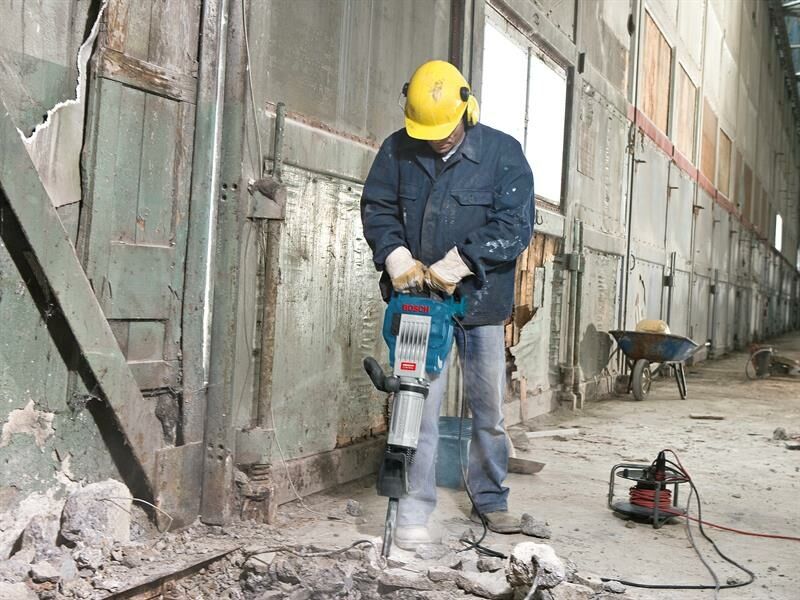
It is completely normal for safety teams to compare multiple solutions before committing. Common drivers for exploring alternatives include:
None of these are criticisms of any individual system. They reflect the reality that different organisations have different operational realities.
This article focuses on solutions commonly evaluated by UK organisations when searching for HAVS monitoring wearables:
Each takes a slightly different approach to sensing, deployment and reporting. Understanding those differences is often the key to choosing the right fit.
spacebands is designed around a simple idea. If exposure risk is personal, then monitoring should be personal too.
Rather than relying on tagging individual tools or manual inputs, spacebands wearables continuously monitor real-world exposure from the worker’s perspective. This includes HAVS and noise exposure, captured passively throughout the working day.
Core principles of the platform include:
This approach is particularly suited to environments where workers use multiple tools, move frequently between tasks, or operate across varied sites.

This table is a fast way to shortlist options, but it cannot replace a live evaluation. During procurement, ask each supplier to confirm:
The right choice usually comes down to one question: do you want a system that relies on configuring tools and workflows, or one designed to capture personal exposure with minimal inputs?
Your answer will quickly narrow the field.
Most buyers do not choose the “best device”. They choose the system that fits their reality.
The right solution depends less on features and more on how your teams actually work day to day. Below are common scenarios and what typically matters most in each.
These environments are highly dynamic. Workers change tools, move between tasks and operate across multiple zones.
Priorities usually include:
If your teams are mobile and varied, systems designed around passive personal exposure monitoring often align more naturally with operational reality.
Rail and utilities teams often work across dispersed sites, with central safety oversight and increasing regulatory scrutiny.
Key considerations tend to be:
Solutions that offer central visibility without heavy on-site configuration tend to perform well in these environments.
Here the picture can look different. Workflows are often more predictable and tool use may be more consistent.
Buyers often focus on:
In these settings, both tool-centric and personal-centric approaches can work. The deciding factor is often how much ongoing effort the system requires to stay accurate.
These teams typically deal with high variability. Contractors rotate, tools vary, and central oversight can be difficult.
Common priorities include:
Here, simplicity often wins. The less training and configuration required, the more reliable the data tends to be over time.
Some organisations actively look to reduce the number of devices workers are expected to wear.
In these cases, decision criteria often include:
This is becoming increasingly relevant as HSE focus expands beyond individual hazards toward broader occupational health evidence.
If you are currently evaluating options, try this simple exercise with each vendor:
Ask them to walk through a real working day for one of your operatives.
Not a demo environment.
Not ideal conditions.
Your reality.
Then ask:
The clearest answers usually point to the best fit.
Every vendor in this space is trying to solve the same problem: prevent long-term harm and provide defensible evidence.
The differences sit in philosophy and execution.
Some systems optimise around tools.
Some optimise around people.
Some focus narrowly on HAVS.
Others consider exposure more holistically.
Most organisations end up happiest with a solution that:
If you are comparing providers right now, treat this process as you would any other risk-critical decision. Ask hard questions. Test assumptions. Request real examples using your real scenarios.
The right system will not just impress in a demo.
It will still be quietly doing its job long after rollout, when nobody is watching.
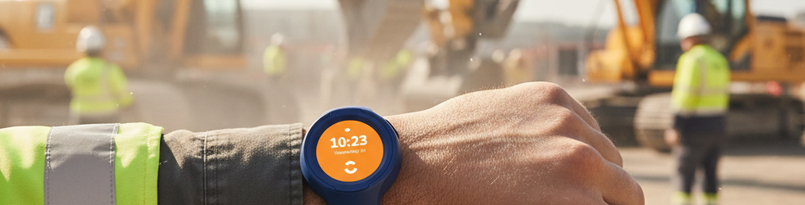
Yes. Several providers offer wearable-based approaches to HAVS monitoring, including Makusafe, HAV Sentry (Exactaform), HAVS Protect and spacebands. Each solution takes a slightly different approach to sensing, alerts, reporting and operational workflow, which is why most organisations compare multiple options before deciding.
Most safety teams focus on:
The best choice is usually the one that produces reliable data with the least operational friction.
No. Some approaches rely on associating exposure with specific tools, while others focus on capturing personal exposure directly from the worker. The right model depends on your environment, how often tools change, and how much administrative effort you want the system to require.
Tool-based approaches focus on understanding exposure from individual tools, often requiring configuration or tagging.
Personal monitoring focuses on capturing the worker’s actual exposure throughout the day, regardless of which tools or tasks are involved.
Organisations with mobile teams, frequent task changes or contractor-heavy workforces often prefer personal approaches because they can require less ongoing management.
Most established platforms are designed with compliance in mind, but the quality of evidence varies. During evaluation, it is worth asking suppliers to demonstrate:
Inspectors typically look for clarity, traceability and consistency rather than volume of data.
Some platforms focus solely on HAVS, while others offer multi-hazard monitoring including noise. For organisations trying to reduce the number of devices workers wear, this can be an important consideration during procurement.
If you are currently evaluating HAVS monitoring options, the most useful next step is usually to see how a system performs using your real working conditions.
If you would like to see how spacebands approaches personal exposure monitoring in practice, you can book a demo, view an online demo or check out our case studies page.
