






spacebands is a multi-sensor wearable that monitors external, environmental hazards, anticipates potential accidents, and gives real-time data on stress in hazardous environments.
Members of:






Recognition:







The UK construction industry is undergoing one of the most significant regulatory shifts in decades. The introduction of the Building Safety Regulator (BSR) marks a fundamental change in how building safety is overseen, enforced, and proven - particularly for higher-risk residential buildings.
Created under the Building Safety Act 2022 in response to the Grenfell Tower tragedy, the BSR introduces stricter approval processes, clearer legal accountability, and far greater scrutiny throughout the entire building lifecycle. Developers, principal contractors, and designers can no longer rely on paperwork alone to demonstrate compliance. They must now prove that risks are identified, controlled, and documented before construction begins, during the build, and before occupation is permitted.
This represents a decisive shift from reactive enforcement after incidents occur, to proactive regulation that prevents unsafe buildings from progressing in the first place. Projects can now be delayed, halted, or refused approval entirely if safety requirements are not met.
For construction companies, this raises critical questions. What exactly is the Building Safety Regulator? How does it differ from the HSE? Which projects fall under its authority? And what practical steps must dutyholders take to remain compliant?
In this guide, we explain what the Building Safety Regulator is, why it was created, and what its new powers and approval processes mean for construction companies operating in the UK.
The Building Safety Regulator (BSR) is the UK’s new independent body responsible for overseeing the safety and standards of higher-risk buildings. It was established under the Building Safety Act 2022 and operates within the Health and Safety Executive (HSE), but with specific powers and responsibilities focused solely on building safety.
Its primary role is to ensure that buildings are designed, constructed, and managed in a way that protects residents from serious risks, particularly structural failure and fire.
The BSR now acts as the building control authority for higher-risk buildings in England. This means it is responsible for reviewing designs, approving construction, and confirming that completed buildings are safe before they can be occupied. Previously, these responsibilities were often handled by local authority building control or private approved inspectors. That authority now sits with the regulator itself for higher-risk projects.
Higher-risk buildings are defined as those that are:
This typically includes high-rise residential buildings such as apartment blocks, student accommodation, and some mixed-use developments.
The regulator’s role extends across the entire lifecycle of these buildings. This includes oversight during planning, design, construction, and occupation. Rather than focusing only on whether regulations have been followed on paper, the BSR is designed to ensure that safety risks are actively identified, properly controlled, and clearly documented at every stage.
In addition to regulating higher-risk buildings, the BSR is also responsible for improving safety standards across the wider construction industry. This includes raising competence requirements for dutyholders, enforcing compliance with the new regulatory framework, and promoting a more accountable and transparent approach to building safety.
This marks a clear shift toward stronger oversight, clearer accountability, and a regulatory system designed to prevent failures before they occur — rather than responding after the fact.
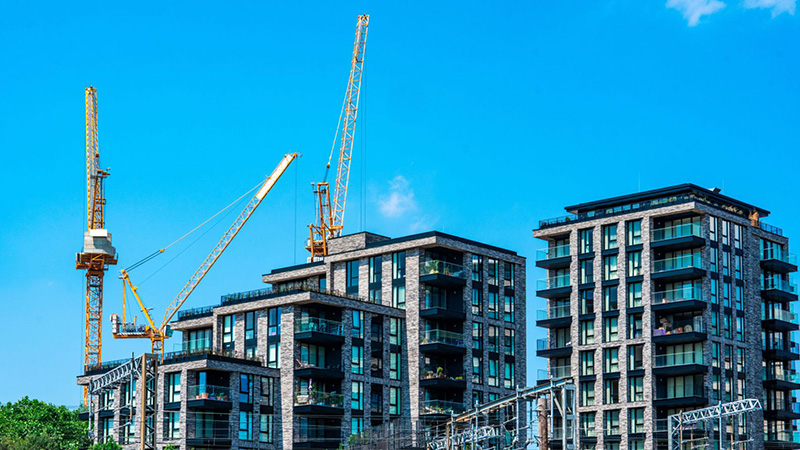
The Building Safety Regulator was created in direct response to the systemic failures exposed by the Grenfell Tower fire in 2017. The tragedy, which resulted in the loss of 72 lives, revealed deep flaws in how building safety was regulated, managed, and enforced across the UK construction industry.
The subsequent Hackitt Review, an independent review of building regulations and fire safety led by Dame Judith Hackitt, identified widespread issues. These included unclear accountability, inconsistent enforcement, poor record keeping, and an overreliance on paperwork rather than demonstrable safety controls.
One of the most critical findings was that responsibility for safety was often fragmented across multiple parties, with no single dutyholder clearly accountable for ensuring risks were properly managed. This created gaps where serious hazards could go unnoticed, unaddressed, or poorly controlled.
The review also highlighted that building safety information was frequently incomplete, inaccurate, or inaccessible. In some cases, those responsible for managing buildings did not have access to essential safety information about construction materials, design decisions, or risk controls.
To address these failures, the Building Safety Act 2022 introduced the concept of the Golden Thread of Information. This refers to a complete, accurate, and up to date record of safety information that must be maintained throughout the entire lifecycle of a building. This information must be accessible to those responsible for managing safety and available to the regulator when required.
The creation of the Building Safety Regulator ensures there is now a single, accountable authority responsible for overseeing higher-risk buildings. Its purpose is to enforce stricter approval processes, ensure dutyholders meet their legal responsibilities, and prevent unsafe buildings from progressing through design, construction, or occupation.
This represents a fundamental shift in regulatory approach. The focus is no longer on simply meeting minimum requirements, but on proving that safety risks are actively understood, managed, and controlled at every stage.
One of the most significant changes introduced by the Building Safety Regulator is the new Gateway approval system. This introduces formal regulatory checkpoints at key stages of a higher-risk building’s lifecycle, where dutyholders must demonstrate that safety risks have been properly considered and controlled before the project can proceed.
Previously, building control approval was often handled alongside construction activity. Work could begin while plans were still being reviewed, and regulators typically intervened only if issues were identified later. The new system reverses this approach. Construction cannot progress without explicit approval at each stage.
There are three Gateway stages.
Gateway 1 takes place during the planning application process. At this stage, dutyholders must submit a fire safety statement that demonstrates how fire risks have been considered in the building’s design. This ensures safety is built into the project from the very beginning, rather than addressed later.
This Gateway is overseen by the planning authority, with input from the Building Safety Regulator.
Gateway 2 is a critical control point. Before any construction work can begin on a higher-risk building, the full design must be submitted to the Building Safety Regulator for approval.
This submission must include detailed plans, safety information, and evidence that risks have been properly assessed and controlled. The regulator will review the submission and either approve it, request changes, or refuse approval.
Construction cannot legally begin until Gateway 2 approval is granted.
This represents a major shift for developers and contractors. Starting work without approval is no longer possible, and incomplete or inadequate safety information can result in costly delays.
Gateway 3 takes place when construction is complete, before the building can be occupied.
Dutyholders must submit evidence confirming that the building has been constructed in accordance with approved plans and that all safety requirements have been met. This includes providing the full Golden Thread of safety information.
The Building Safety Regulator will assess the submission and, if satisfied, issue a completion certificate. Without this certificate, the building cannot legally be occupied.
This ensures that safety is verified not just in design, but in the final, completed structure.
Together, these Gateway stages create a far more controlled and accountable approval process. Dutyholders must now demonstrate safety proactively, rather than relying on retrospective checks or assumptions. Failure to meet requirements at any stage can result in delays, enforcement action, or refusal to allow the building to proceed.
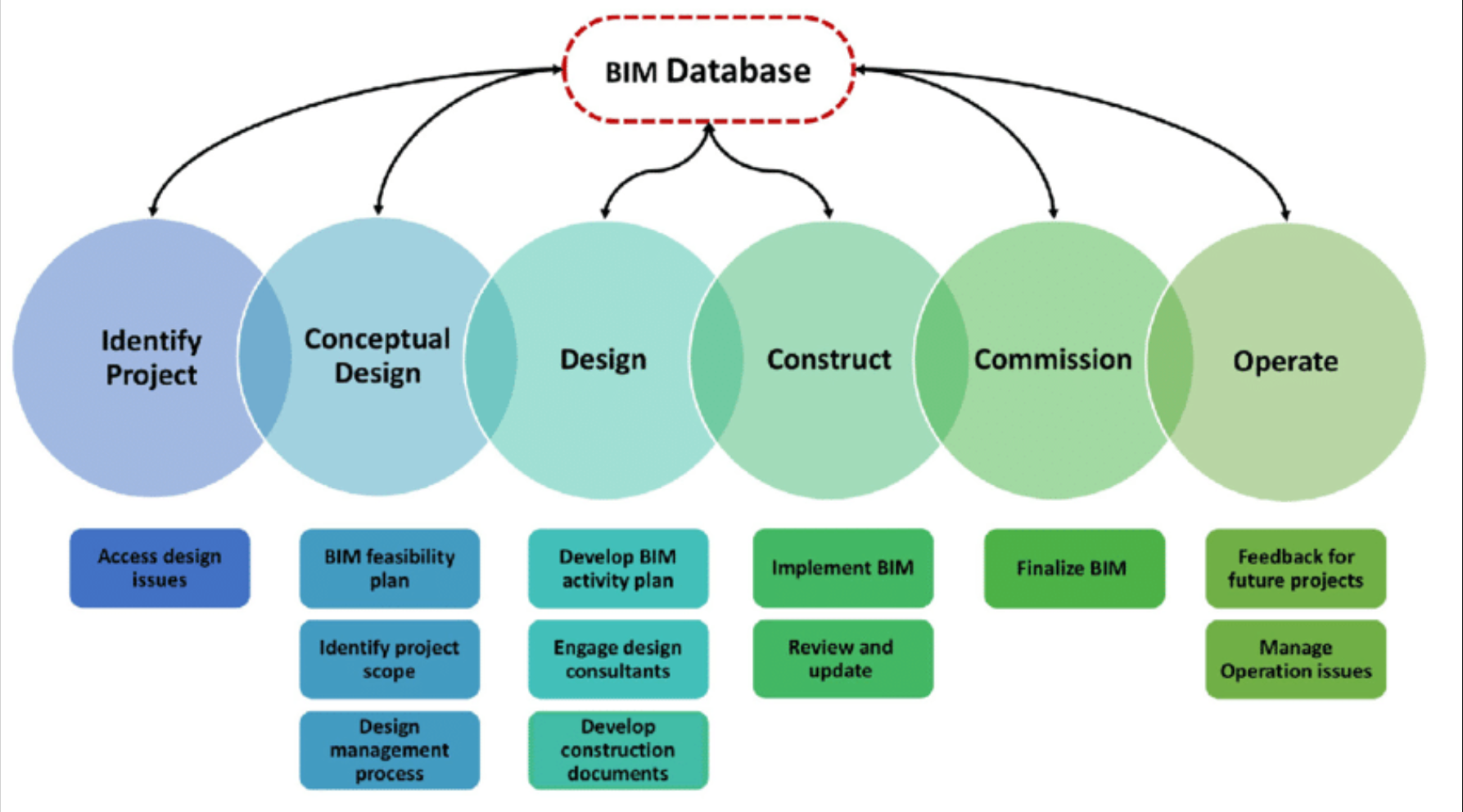
The Building Safety Act introduces clearly defined legal responsibilities for those involved in the design and construction of higher-risk buildings. These individuals and organisations are known as dutyholders.
Each dutyholder has specific legal obligations. These responsibilities cannot be delegated or ignored.
Client
The organisation or individual commissioning the project.
They must:
Principal Designer
Responsible for safety during the design phase.
They must:
Principal Contractor
Responsible for safety during construction.
They must:
Designers and Contractors
All designers and contractors also carry legal responsibility.
They must:
Under the new regime, it is no longer enough to simply produce risk assessments and safety policies.
Dutyholders must be able to demonstrate that risks are actively being controlled.
This includes:
If the regulator requests evidence, dutyholders must be able to provide it.
The Building Safety Regulator has strong enforcement powers. Failure to meet legal duties can result in:
Importantly, responsibility can apply to both organisations and individuals.
Senior decision makers can be held personally accountable.
This creates a new level of legal and operational risk for construction companies. Safety is no longer just a compliance exercise. It is a legal obligation that must be actively managed and demonstrably controlled throughout the project.

The Building Safety Regulator introduces a far more proactive and intervention-focused approach to enforcement. The regulator is involved throughout the project lifecycle, not just after something goes wrong.
This means issues can be identified and acted on before they become incidents.
Stop construction immediately
If safety requirements are not met, the BSR can issue a stop notice. All work must cease until the issue is resolved.
This can cause significant delays and financial impact.
Refuse Gateway approvals
If safety information is incomplete, unclear, or inadequate, the regulator can refuse approval at Gateway 2 or Gateway 3.
Without approval:
Request additional safety evidence
Dutyholders may be required to provide detailed documentation, design justification, and proof that risks are properly controlled.
Failure to provide sufficient evidence can delay the project.
Issue compliance notices
These require dutyholders to fix specific safety issues within a defined timeframe.
Failure to comply can result in prosecution.
Prosecute organisations and individuals
Serious breaches can lead to criminal charges, unlimited fines, and imprisonment.
This applies not only to companies, but also to individuals with legal responsibility.
Historically, enforcement often occurred after an incident, complaint, or inspection failure.
The Building Safety Regulator changes this model.
Approval is now required before construction begins and before occupation is permitted. This allows the regulator to prevent unsafe buildings from progressing in the first place.
The focus is on preventing risk, not responding to failure.
Dutyholders should expect:
Projects that cannot demonstrate clear safety controls and accurate records are far more likely to face delays or enforcement action.
This makes robust safety management and evidence collection essential for keeping projects compliant and on schedule.
The introduction of the Building Safety Regulator changes how construction companies must approach safety, compliance, and project delivery. The biggest shift is the need to demonstrate safety clearly and continuously, not just document it.
This has several practical implications.
Gateway 2 approval is now a hard stop. If the Building Safety Regulator does not approve the design and safety submission, construction cannot legally begin.
This means:
Early preparation is now essential.
Dutyholders must maintain clear, structured safety records throughout the project.
This includes:
Missing or inaccurate information can delay Gateway approval or completion certification.
Responsibility for safety now sits more clearly with named dutyholders. This includes clients, principal contractors, and principal designers.
This means:
Safety is now a board-level risk, not just a site-level issue.
Under the new system, regulators can intervene at multiple stages.
Projects are more likely to face delays if:
This makes proactive safety management essential to keeping projects on schedule.
The regulator's focus is not just on whether safety procedures exist, but whether risks are actively managed and controlled.
This aligns with a broader shift across the industry toward measurable safety data, exposure monitoring, and verifiable risk control.
Companies that rely solely on policies and paperwork may find it increasingly difficult to demonstrate compliance.
Those that can provide clear, objective evidence of risk management will be better positioned to meet regulatory expectations and avoid delays.

The Building Safety Regulator does not replace the Health and Safety Executive. Instead, it adds a new layer of oversight focused specifically on the safety of higher-risk buildings.
The HSE still enforces the full range of workplace health and safety regulations that apply on construction sites.
This includes regulations covering:
These legal duties remain fully in force.
The Building Safety Regulator focuses on building safety across the entire lifecycle of higher-risk residential buildings.
This includes:
The HSE, meanwhile, continues to regulate workplace safety risks affecting workers directly.
Both regulators can be involved in the same project, but their roles are different.
Construction companies must now manage two parallel areas of compliance:
Workplace safety compliance
Enforced by the HSE
Focused on protecting workers from harm during construction
Building safety compliance
Enforced by the Building Safety Regulator
Focused on ensuring the completed building is safe for residents
Failure in either area can result in enforcement action.
Both the HSE and the Building Safety Regulator are placing greater emphasis on demonstrable risk control.
This means companies must be able to show:
The direction of travel is clear. Regulators expect objective evidence, accurate records, and clear accountability.
Construction companies that take a proactive, evidence-based approach to safety will be far better positioned to remain compliant under the new regulatory landscape.

The Building Safety Regulator is already active, and dutyholders are expected to comply with the new framework. Construction companies working on higher-risk buildings should take proactive steps now to avoid delays, enforcement action, or legal exposure.
The following actions are essential.
Start by determining whether any current or upcoming projects qualify as higher-risk buildings.
This typically includes buildings that are:
If a project meets these criteria, it will require Building Safety Regulator approval at key Gateway stages.
Every higher-risk building must have formally appointed dutyholders.
This includes:
Each must understand their legal responsibilities and have the competence and systems required to fulfil them.
Unclear roles or gaps in responsibility create compliance risk.
Gateway 2 approval is required before construction begins. Incomplete or inadequate submissions will delay the project.
Ensure you have:
Preparation should begin well before planned construction start dates.
Safety information must be:
This includes design decisions, construction changes, and safety controls.
Poor record keeping is now a regulatory risk.
It is no longer enough to assume risks are controlled. Dutyholders must be able to demonstrate this clearly.
This includes risks such as:
Where risks cannot be measured or evidenced, compliance becomes harder to demonstrate.
Many existing safety systems were designed around older regulatory expectations.
Companies should review whether their current processes can:
If not, improvements may be required.
Taking these steps now will reduce the risk of delays, enforcement action, and compliance failures. Companies that prepare early and implement robust safety management processes will be in a far stronger position under the new regulatory framework.
The creation of the Building Safety Regulator marks the beginning of a long term shift in how safety is regulated across the construction industry. The direction is clear. Regulation is becoming stricter, more structured, and far more focused on accountability and evidence.
This is not a temporary adjustment. It is a permanent change in expectations.
Dutyholders are now clearly identified and legally responsible for safety outcomes. This includes clients, designers, and contractors.
This means:
Safety is no longer just a site level concern. It is an organisational responsibility.
Regulators are placing greater emphasis on demonstrable risk control.
Companies must be able to show:
Paperwork alone is no longer sufficient.
Objective, verifiable safety data is becoming increasingly important.
The Gateway approval system allows the regulator to intervene before construction begins and before buildings are occupied.
This reduces the likelihood of unsafe buildings progressing through the system.
It also means companies must be prepared to provide safety evidence at any stage.
Safety is no longer assessed only at isolated points in time. It must be maintained continuously throughout design, construction, and occupation.
This aligns with broader industry trends toward:
Companies that adopt modern, evidence-based safety practices will be better positioned to meet these expectations.
The Building Safety Regulator represents a fundamental shift in how safety is regulated in the UK construction industry. Companies that understand these changes and adapt early will be far better prepared to operate safely, remain compliant, and avoid costly delays or enforcement action.
The introduction of the Building Safety Regulator represents one of the most significant changes to UK construction regulation in decades. It establishes a clearer approval process, stronger enforcement powers, and defined legal accountability for those responsible for building safety.
For construction companies, the implications are clear. Safety can no longer rely on policies, risk assessments, or assumptions alone. Dutyholders must be able to demonstrate that risks are properly identified, actively managed, and supported by accurate, accessible records.
The Gateway approval system means construction cannot begin or complete without regulatory approval. Failure to provide sufficient safety information or evidence of risk control can result in delays, enforcement action, or refusal to allow occupation.
At the same time, the Building Safety Regulator works alongside existing HSE regulations, reinforcing the importance of managing worker exposure to risks such as vibration and noise. These risks remain a legal responsibility and form part of the broader expectation that companies can demonstrate effective safety management.
Ultimately, the regulatory landscape is shifting toward accountability, transparency, and evidence. Construction companies that take a proactive approach to safety, maintain accurate records, and implement systems to monitor and control risk will be best positioned to comply with the new framework and deliver projects without disruption.
Understanding these changes is the first step. Acting on them is now essential.
The Building Safety Regulator (BSR) is the UK authority responsible for overseeing the safety and standards of higher-risk residential buildings. It was established under the Building Safety Act 2022 and operates within the Health and Safety Executive.
Its role is to ensure buildings are designed, constructed, and managed safely. The regulator reviews building plans, approves construction through Gateway stages, and ensures buildings are safe before they can be occupied. It also has enforcement powers to stop projects, issue compliance notices, and prosecute dutyholders who fail to meet safety requirements.
The Building Safety Regulator applies to higher-risk buildings in England. These are typically defined as buildings that are:
This includes high-rise apartment buildings, student accommodation, and some mixed-use developments with residential units.
Other buildings remain regulated under existing building control and HSE frameworks.
The Gateway system introduces three approval stages where safety must be reviewed and approved.
Construction cannot begin without Gateway 2 approval, and buildings cannot be occupied without Gateway 3 approval.
Legal responsibility sits with defined dutyholders involved in the project. These include:
Each dutyholder is responsible for managing and controlling safety risks within their scope of work. Failure to meet these legal duties can result in enforcement action, fines, or criminal prosecution.
The Building Safety Regulator introduces stricter approval requirements, greater accountability, and increased regulatory oversight. Construction companies must now demonstrate that risks are properly identified, controlled, and documented before and during construction.
This means maintaining accurate safety records, preparing detailed Gateway submissions, and ensuring ongoing risk management. Failure to provide sufficient safety evidence can delay projects, stop construction, or prevent buildings from being occupied.
